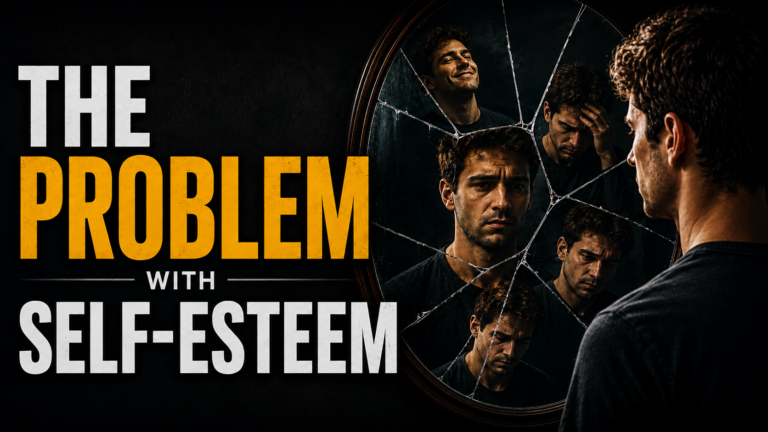

Why do some people seem naturally confident, while others hesitate to take even small steps toward their goals? Is confidence something you’re born with, or is it a skill you can develop?
The answer doesn’t lie in luck or raw talent but in understanding what confidence truly is—and how to cultivate it.
This article is grounded in contemporary psychological research. We’ll explore the science behind self-confidence, self-efficacy, and self-esteem, clarify their differences, and show you how each plays a role in shaping your mindset and actions.
But confidence isn’t just about feeling positive—it’s about having a practical framework that helps you face challenges, set meaningful goals, and keep growing, even when things get tough.
Whether you’re looking to make progress in your career, improve your social interactions, or simply feel more capable in your daily life, this article will give you a solid foundation to start building genuine confidence.
Here’s what you’ll learn:
- The differences between self-confidence, self-efficacy, and self-esteem.
- How self-efficacy drives goal-setting and perseverance.
- The four key sources of self-efficacy and how to leverage them.
- A practical four-phase process for building and sustaining confidence.
- Practical applications in career, social life, and academics.
Let’s begin.
Understanding the Key Concepts: Self-Confidence, Self-Efficacy, and Self-Esteem
What exactly is confidence? Where does it come from? To truly understand how to build confidence, we need to explore three related—but distinct—concepts: self-confidence, self-efficacy, and self-esteem.
Self-Confidence
Self-confidence represents your belief in your ability to navigate life’s challenges effectively, rooted in trust in your capacities and judgments (Psychology Dictionary Online). However, self-confidence often shifts between domains rather than being uniformly distributed. For example, someone may feel assured when solving complex problems at work but struggle with confidence when trying to connect emotionally in a romantic relationship. This distinction underscores how self-confidence is shaped by the unique demands of different areas of life.
Self-Efficacy
While self-confidence reflects a general trust in yourself, self-efficacy focuses on specific tasks or challenges. Psychologist Albert Bandura (1977) defined self-efficacy as the belief in your capacity to succeed in a particular activity—whether it’s learning a new skill, completing a project, or mastering an instrument.
For example, consider a person who feels broadly self-confident in their professional abilities. They trust their capacity to excel in their work domain, as they have consistently performed well in their role. However, their self-efficacy might differ depending on specific tasks within their job:
- They may have high self-efficacy in managing a team, feeling fully capable of motivating their team, resolving conflicts, and achieving group objectives, even under tight deadlines.
- On the other hand, they might have lower self-efficacy in negotiating deals, a task that is seldom required in their role. Even though they feel confident about their work overall, they may doubt their ability to navigate high-stakes negotiations effectively due to limited experience or practice.
This distinction shows how self-confidence operates at a broader, domain-specific level—such as feeling assured in one’s overall professional role—while self-efficacy is task-specific and can vary significantly within the same domain. Understanding this difference allows individuals to pinpoint areas for targeted improvement and build self-efficacy in specific skills without undermining their broader self-confidence.
Self-Esteem
Self-esteem has been a subject of considerable debate in psychology, both in terms of its effects and its definitions. Some researchers argue that an excessive focus on self-esteem can lead to unproductive or even harmful behaviors, while others emphasize its importance in fostering psychological well-being. Due to these controversies, self-esteem will be explored more comprehensively in an upcoming article, where its nuances and implications will be discussed in greater detail.
For now, we will define self-esteem in terms of self-worth. According to Morris Rosenberg (1965), self-esteem is a relatively stable belief about one’s value, grounded in a general sense of satisfaction with one’s qualities. This remains the most commonly used definition in psychological research and provides a foundational understanding for addressing the concept in practical contexts.
How These Concepts Work Together
While self-confidence, self-efficacy, and self-esteem are distinct, they interact and influence one another:
- Self-efficacy builds self-confidence in specific situations. For example, being able to play several pieces on the piano (self-efficacy) increases self-confidence in identifying as a pianist.
- Repeated successes in self-confidence reinforce self-worth, depending on what the individual values. For instance, if a person values being liked by others and achieves that, they may feel a greater sense of self-worth.
- Self-worth provides an emotional foundation that supports self-confidence and self-efficacy, particularly in social interactions. For example, a person with high self-worth might remain confident and secure even when rejected by others, understanding that their value is not defined by others’ opinions.
Understanding these relationships allows you to target your growth more effectively—whether you’re building confidence for a specific challenge or improving your overall self-worth.
In the next section, we’ll dive deeper into how self-efficacy impacts goal setting and perseverance, showing you why it’s such a critical driver of lasting confidence.
The Effects of Self-Efficacy on Goal Setting and Goal Striving
Understanding self-efficacy isn’t just about knowing its definition—it’s about recognizing how it shapes your actions, decisions, and long-term outcomes. Self-efficacy serves as a powerful driver behind both goal setting and perseverance. Let’s break this down into two key areas: Goal Setting and Goal Striving.
Goal Setting: How Self-Efficacy Shapes Aspirations
Research by Albert Bandura (1997) shows that people with high self-efficacy are more likely to set challenging yet achievable goals, reflecting their belief in their ability to succeed. In contrast, low self-efficacy often set smaller, less ambitious goals to avoid failure and avoid taking meaningful risks.
A person with high self-efficacy might apply to several specific jobs each week, talk to people in their field to network, and see rejections as feedback to improve. In contrast, low self-efficacy might look like sending out a few general applications, avoiding meeting new people, and feeling upset by rejections.
Goal Striving: How Self-Efficacy Drives Perseverance and Resilience
Setting goals is only the first step. Sticking to them means staying focused, handling challenges, and finding new ways to move forward when things get hard.
People with high self-efficacy often:
- Bounce back from failures, seeing them as temporary.
- Stay motivated, even when progress is slow.
- Look for solutions when their original plan doesn’t work.
A student with high self-efficacy might keep studying challenging material after failing a test, believing they can improve with effort. In contrast, a student with low self-efficacy might give up on studying entirely, convinced they’re not capable of understanding the material.
Caveat: Self-Efficacy Doesn’t Always Help
While self-efficacy is generally beneficial, it doesn’t always lead to positive outcomes. Research by Vancouver et al. (2008) suggests that excessive self-efficacy can result in overconfidence, which may cause people to:
- Misjudge the difficulty of tasks.
- Neglect necessary preparation or learning.
Example of Overconfidence: A student might assume they’ll do well on an exam without studying and end up underprepared. Similarly, an entrepreneur might skip thorough market research, overly confident their idea will succeed without detailed planning.
In summary:
- Goal Setting: Self-efficacy helps you set meaningful, challenging goals.
- Goal Striving: It fuels perseverance, resilience, and creative problem-solving.
- Balanced Self-Efficacy: Healthy self-efficacy combines belief in yourself with preparation and adaptability.
When you understand and nurture your self-efficacy, you’re not just building confidence for a single task—you’re creating a mindset that allows you to thrive across different areas of life.
In the next section, we’ll explore the four key sources of self-efficacy and how you can harness them to build lasting confidence.
The Four Sources of Self-Efficacy
According to Albert Bandura, there are four primary sources of self-efficacy:
- Mastery Experiences
- Vicarious Experiences
- Verbal Persuasion
- Emotional and Physiological States
Each source plays a unique role in shaping your confidence in specific tasks and provides insight into why some people feel capable while others hesitate. Let’s explore these in detail.
1. Mastery Experiences: Building Confidence Through Success
Mastery experiences—personal successes—are the most powerful source of self-efficacy. When you successfully complete a challenging task, your belief in your ability to succeed grows.
Why Mastery Experiences Matter:
- Success provides tangible proof that you can achieve your goals.
- Failure, particularly repeated failure with no progress, can create limiting beliefs that diminish self-efficacy.
Examples of Mastery Experiences:
- In Academics: Passing a challenging exam after consistent preparation.
- In Fitness: Successfully running a 5K after following a structured training plan, showing how preparation leads to achievement.
- In Public Speaking: Effectively leading a workshop after practicing key points and anticipating questions, emphasizing the value of preparation and rehearsal.
Using Past Successes to Build Mastery Experiences:
Recalling similar achievements strengthens your belief in your ability to handle future challenges. For example:
- Remembering how you learned a skill at work can boost your confidence to tackle a new, different task.
- Reflecting on how you successfully managed a conflict with a close friend in the past—by staying calm, communicating openly, and finding a compromise—can inspire you to use similar strategies to resolve a disagreement with a coworker.
Takeaway: Every success, whether big or small, reinforces your belief in yourself. Start at a meaningful point and allow these achievements to create momentum toward greater accomplishments. When in doubt, reflect on past successes in similar situations to help you move forward.
2. Vicarious Experiences: Learning Through Others
Watching someone else succeed—especially someone you can relate to—can enhance your self-efficacy. Seeing others achieve makes you think, “If they can do it, so can I.”
Why Vicarious Experiences Matter:
- They provide a model of what’s possible.
- They’re especially effective when the person you observe has similar skills or circumstances.
Examples of Vicarious Experiences:
- In Professional Growth: Watching a colleague confidently lead a meeting can inspire you to do the same.
- In Creative Pursuits: Seeing a friend complete an ambitious art project can motivate you to start your own.
- In Fitness: Watching someone with a similar body type achieve a fitness milestone can encourage you to take action.
A Cautionary Note: Repeatedly observing others fail at a task—especially those similar to yourself—can make it feel too difficult to achieve, undermining your self-efficacy. Similarly, focusing only on people at the highest level of skill, without considering the journey they took to get there, can make improvement seem unattainable. Be wise in choosing where to draw inspiration, seeking role models whose actions and progress inspire confidence and show that growth is achievable.
3. Verbal Persuasion: The Power of Encouragement
Encouragement and positive feedback from others can greatly strengthen your belief in your abilities, especially when it comes from someone you respect or trust. When the praise is honest and realistic, it boosts confidence in the long term. However, if the praise is insincere or exaggerated—like being told you’re exceptionally skilled when that isn’t true—it can have the opposite effect, when experiences reveal that the feedback was inflated.
At the same time, constant negative criticism—like being told “you can’t do it” or “you’ll never succeed”—can also hurt your self-efficacy. Seligman (1972) found that hearing repeated negativity can lead to a state called learned helplessness. This happens when people stop trying because they believe success is impossible, making challenges feel overwhelming and effort seem pointless. However, balanced criticism—feedback that is honest but constructive—can help you improve without undermining your belief in your abilities.
Another key factor in self-efficacy is self-talk—the internal dialogue you have with yourself. Positive self-talk, especially when you remind yourself of past successes, as mentioned earlier, can strengthen your confidence in your ability to face new challenges (Cohen and Sherman, 2014).
4. Emotional and Physiological States: Mind and Body in Balance
Emotional and physiological states significantly influence self-efficacy, but their effects are not always straightforward. While positive emotions often enhance performance and confidence, certain high-arousal positive states, such as excitement, can sometimes impair focus. Conversely, mild stress may improve cognitive performance by increasing alertness, whereas extreme stress or exhaustion can undermine self-efficacy and make challenges feel overwhelming.
Examples of Emotional and Physiological States Influencing Self-Efficacy:
- Before a Speech: Experiencing a racing heart and sweaty palms might make you feel less prepared, even if you’ve rehearsed thoroughly.
- During an Exam: Lack of sleep can lead to brain fog, undermining your confidence.
- In Social Situations: Anxiety can make you second-guess your words and actions.
Strategies for Managing Emotional and Physiological States:
- Practice Deep Breathing: Techniques like the 4-7-8 method can calm your nervous system before high-pressure situations (Cho and colleagues, 2016).
- Prioritize Rest and Nutrition: Aim for 7-9 hours of sleep per night and maintain a balanced diet to support optimal cognitive and emotional function.
- Use Visualization Techniques: Imagine yourself succeeding before tackling a challenge to enhance confidence and reduce anxiety.
How the Four Sources of Self-Efficacy Work Together
The four sources of self-efficacy—mastery experiences, vicarious experiences, verbal persuasion, and emotional and physiological states—don’t exist in isolation. They interact dynamically, influencing and amplifying (or sometimes undermining) each other to shape your belief in your abilities. Recognizing these interactions helps you leverage their combined strength while addressing potential challenges.
- Mastery Experiences and Verbal Persuasion: Success in a mastery experience can be amplified by encouragement from others. For instance, completing a challenging project at work becomes even more empowering when a trusted mentor acknowledges your effort and praises your achievement. Conversely, if you experience failure without constructive feedback, it may reduce your motivation to try again.
- Vicarious Experiences and Emotional States: Observing someone succeed can inspire confidence, but your emotional state during the observation matters. If you’re calm and open-minded, you may feel encouraged to emulate their success. However, if you’re anxious or doubting your abilities, the same observation could lead to feelings of inadequacy, especially if the role model seems far ahead of you in skill or experience.
- Emotional States and Mastery Experiences: Emotional and physiological states often set the tone for how you approach mastery experiences. For example, a well-rested, focused mind makes it easier to engage with a challenging task, increasing the likelihood of success. On the other hand, high stress or exhaustion can lead to failure, even if you’re well-prepared, potentially undermining your self-efficacy.
- Vicarious Experiences and Verbal Persuasion: The impact of verbal encouragement can be enhanced by seeing others succeed in similar situations. For example, a peer’s success story combined with their words of encouragement can make a daunting task feel achievable. Conversely, hearing dismissive comments while watching others fail might deepen self-doubt.
Balancing Interactions for Growth
These interactions highlight how self-efficacy is a dynamic and multifaceted belief, shaped by the interplay of experiences, feedback, and emotions. While positive interactions can create a strong foundation for confidence, negative or conflicting influences can weaken it. For example, success in a task (mastery experience) might still feel unconvincing if paired with excessive stress (emotional state) or criticism (verbal persuasion).
To build and sustain self-efficacy, focus on creating conditions where these sources align. Seek constructive feedback, surround yourself with relatable role models, and manage your emotional and physiological states to maximize your capacity for success.
In the next section, we’ll explore a practical framework to harness these sources effectively, giving you step-by-step strategies to grow your confidence and resilience.
Building Self-Confidence Through the Four-Phase Framework
Now that we’ve explored the sources of self-efficacy, it’s time to apply them in a practical, structured way. Confidence isn’t a one-time achievement—it’s a skill you develop through intentional practice. This four-phase framework helps you build and sustain confidence step by step:
- Self-Awareness
- Goal Setting
- Taking Action
- Reflection and Monitoring
Each phase builds upon the previous one, creating a cohesive cycle of growth.
Phase 1: Self-Awareness
The foundation of confidence-building is self-awareness. Start by reflecting on the areas where you wish to feel more confident. Before setting goals, it’s essential to identify these areas so you can focus your energy where it’s needed most.
How to Build Self-Awareness
- Identify Confidence Gaps: Pinpoint specific situations that trigger self-doubt, such as public speaking, decision-making, or social interactions.
- Prioritize Areas for Improvement: Determine which areas you want to improve first based on their importance and the timeframe you’d like to see progress.
- Spot Limiting Beliefs: Recognize recurring thoughts like, “I’m not good enough,” or, “I’ll embarrass myself,” that might be holding you back.
Example Scenarios:
- Professional Setting: Noticing that you hesitate to speak up in meetings due to fear of judgment.
- Social Interactions: Realizing you avoid initiating conversations because of fear of rejection.
- Fitness Goals: Identifying that you delay starting a new workout routine because of fear of failure.
Phase 2: Goal Setting
Once you understand your confidence gaps, set meaningful goals to guide your efforts.
How to Set Effective Goals
- Start at a Meaningful Point: Set goals that are challenging enough to activate your brain’s reward system but achievable enough to prevent overwhelm (Hidi & Renninger, 2006; Schultz, 1998).
- Be Specific: Replace vague goals with actionable ones. For example, instead of saying, “I want to be more confident at work meetings,” set a goal like, “I’ll contribute one idea during every team meeting this month.”
- Set Timelines: Deadlines create accountability and provide a clear timeframe to act, helping you stay focused and motivated.
- Commit to the Cost: Set goals you are genuinely willing to pay the cost to achieve, whether that involves time, effort, or temporary discomfort. Research by Locke and Latham (2002) highlights that commitment is essential for goal achievement, as individuals who are fully dedicated to their objectives are more likely to take sustained action and overcome obstacles.
Use Implementation Intentions
Incorporate implementation intentions (Gollwitzer, 1999)—specific action plans that connect your goals to concrete behaviors in specific situations or at specific times. These intentions help bridge the gap between intention and action, increasing the likelihood of follow-through.
Examples:
- Career: “If I’m at a team meeting and there’s a pause, then I’ll contribute an idea.”
- Fitness: “At 8 a.m. tomorrow, I’ll practice my squat technique for 10 minutes.”
Phase 3: Overcoming Procrastination and Taking Action
Plans are only as good as the actions you take to follow through. However, procrastination often stands in the way, fueled by a mix of thoughts, feelings, and surroundings. Recognizing these influences and using the right strategies can help you take the first step toward building confidence.
How to Overcome Procrastination and Take Action
- Understand Your Triggers: Procrastination looks different for everyone. Take time to reflect on what’s holding you back. Are you overwhelmed, distracted, or caught in perfectionism? The more you understand your triggers, the easier it becomes to choose the right approach.
- Embrace Progress Over Perfection: If perfectionism is stopping you, remind yourself that progress is better than perfection. Focus on the next best step—something smaller and more manageable that keeps you moving forward.
- Take Regular Breaks: Incorporate short breaks into your work sessions to prevent burnout and maintain productivity. Whether it’s a five-minute stretch, a brief walk, or a moment to rest your eyes, these breaks help reset your focus and sustain your energy throughout the day.
- Reset with Mindfulness: If your mind feels scattered, use mindfulness to refocus. Mental habits from previous tasks can interfere with your current focus, a phenomenon known as “task-set inertia.” Take five minutes to practice deep breathing or another mindfulness exercise to refresh your attention and reduce mental clutter.
- Change Your Environment: If distractions are holding you back, move to a quieter place, leave your phone behind, use tools to block notifications or an app blocker. A more focused setting can make a significant difference in your ability to take action.
By recognizing your procrastination triggers and applying these strategies—whether breaking tasks into smaller steps, using planned procrastination, resetting with mindfulness, or changing your environment—you can take consistent action toward your goals. Remember, every small step forward builds momentum and strengthens your confidence, turning hesitation into progress.
Phase 4: Reflection and Monitoring
Reflection isn’t just about evaluating what you’ve done—it’s about preparing for what comes next. By reflecting, you turn experience into growth and ensure that each step forward is intentional. Without reflection, you risk repeating mistakes, undervaluing your progress, or aiming higher with new goals.
How to Reflect Effectively
- Ask Key Questions: After completing a task, take a moment to assess:
- What went well?
- What didn’t go as planned?
- What adjustments can I make moving forward?
Think of it like building a puzzle—you evaluate what fits, what doesn’t, and how to approach the next piece with more clarity.
- Track Your Wins: Use a Confidence Journal or a progress tracking sheet to record your accomplishments and areas for growth. Visualizing your progress through charts, lists, or milestones can boost motivation and provide a tangible sense of how far you’ve come.
- Adjust Your Approach: Use your reflections to refine your goals and strategies. Reflection helps uncover new strengths, pinpoint areas for improvement, and prepare for challenges ahead.
- Create New Goals to Reach New Heights: Build on your reflections by setting new goals that challenge you further. This step reconnects you to the self-awareness phase and helps you avoid staying in your comfort zone, ensuring continual growth and progress.
Why It Matters
Confidence grows through continuous challenge, so use each reflection as an opportunity to step outside your comfort zone and prepare for the next stage of your journey. Every reflection isn’t just a look back—it’s a way to look ahead.
Why This Framework Works
This framework is rooted in psychology and neuroscience:
- Self-Awareness: Helps you identify and prioritize the areas to focus on building more confidence through self-efficacy.
- Goal Setting: Creates meaningful, achievable goals that sustain motivation.
- Taking Action: Builds real-world evidence of your abilities.
- Reflection: Refines your approach and solidifies growth.
These four phases create an ongoing feedback loop that strengthens confidence over time (Carver & Scheier, 1982).
Final Thought: Confidence is Built Through Action, Not Perfection
At its core, confidence isn’t about eliminating doubt or fear. It’s about showing up, taking action, and trusting yourself to figure things out along the way. Taking steps to improve your confidence is essential not just for achieving goals, but for living a life without regrets. Confidence enables you to seize opportunities, face challenges, and create a life aligned with your values and aspirations.
- You will face setbacks.
- You will encounter self-doubt.
- You will feel uncomfortable.
But every time you show up, take a meaningful step forward, and reflect on your progress, you’re proving to yourself that you are capable. Every small action builds a foundation for a more fulfilling and regret-free life.
Looking Ahead: Exploring Self-Esteem and Self-Worth
In a future article, we’ll delve deeper into the concepts of self-esteem and self-worth and how they relate to self-confidence, particularly in the social domain. Understanding these connections can further enrich your journey toward building a balanced and resilient sense of self.
Your Next Step: Take Action Now
To support you on this journey, I’ve created a free PDF guide: Build Confidence Through Self-Efficacy in 4 Steps. This practical guide walks you through actionable strategies to harness self-efficacy and develop genuine, lasting confidence. Download it now to take the first step in transforming your mindset and unlocking your potential.
References
- Bandura, A. (1977). Self-efficacy: Toward a unifying theory of behavioral change. Psychological Review, 84(2), 191–215. https://doi.org/10.1037/0033-295X.84.2.191
- Bandura, A. (1997). Self-efficacy: The exercise of control. New York: W.H. Freeman and Company.
- Cho, H., Ryu, S., Noh, J., & Lee, J. (2016). The effectiveness of daily mindful breathing practices on test anxiety of students. PLOS ONE, 11(10), e0164822. https://doi.org/10.1371/journal.pone.0164822
- Cohen, G. L., & Sherman, D. K. (2014). The psychology of change: Self-affirmation and social psychological intervention. Annual Review of Psychology, 65, 333–371.
- Gollwitzer, P. M. (1999). Implementation intentions: Strong effects of simple plans. American Psychologist, 54(7), 493–503.
- Hidi, S., & Renninger, K. A. (2006). The four-phase model of interest development. Educational Psychologist, 41(2), 111–127.
- Locke, E. A., & Latham, G. P. (2002). Building a practically useful theory of goal setting and task motivation: A 35-year odyssey. American Psychologist, 57(9), 705–717.
- Psychology Dictionary Online. (n.d.). Self-confidence. Retrieved from https://psychologydictionary.org/self-confidence/
- Rosenberg, M. (1965). Society and the adolescent self-image. Princeton University Press.
- Schultz, W. (1998). Predictive reward signal of dopamine neurons. Journal of Neurophysiology, 80(1), 1–27.
- Seligman, M. E. P. (1972). Learned helplessness. Annual Review of Medicine, 23(1), 407–412.
- Vancouver, J. B., Thompson, C. M., Tischner, E. C., & Putka, D. J. (2008). The changing signs in the relationships among self-efficacy, personal goals, and performance. Journal of Applied Psychology, 93(5), 927–944. https://doi.org/10.1037/0021-9010.93.5.927